
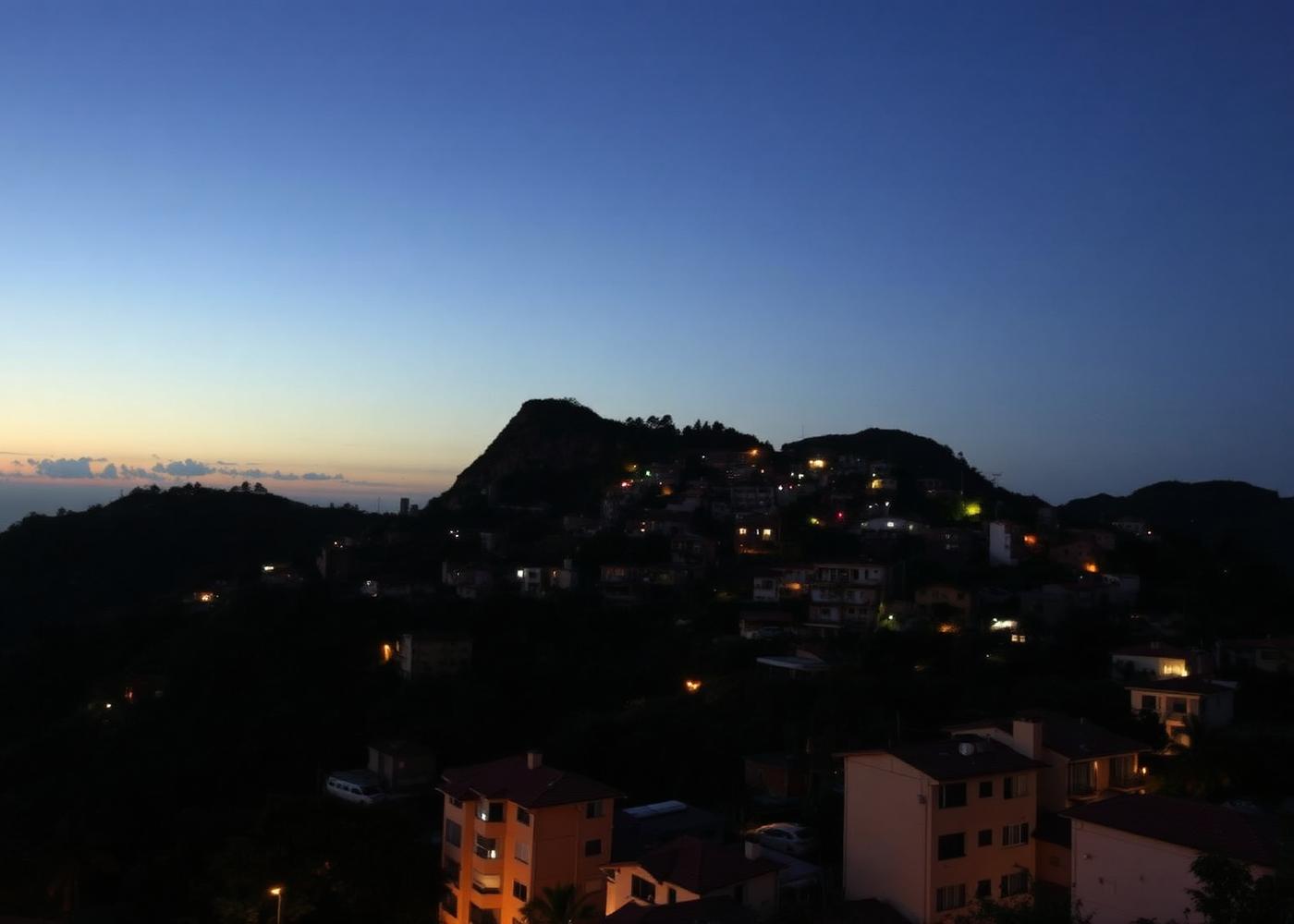
Cantagalo & Pavão-Pavãozinho — the Balcony Between Copacabana and Ipanema
Just a few minutes from the General Osório metro station lie two communities that merge into one another and share one of Rio's most spectacular views. Cantagalo and Pavão-Pavãozinho are among the Zona Sul's best-connected favelas — and among its most fascinating. A panoramic lift carries visitors straight to the top, where Copacabana, Ipanema, the Lagoa Rodrigo de Freitas and Morro Dois Irmãos combine into a single postcard view. This guide tells you what you should really know before a visit — respectful, practical and free of clichés.
- Location
- Zona Sul, between Copacabana & Ipanema
- Population
- approx. 20,000
- Founded
- early 20th century
- Access
- Elevador Mirante do Cantagalo
Where are Cantagalo and Pavão-Pavãozinho?
Cantagalo and Pavão-Pavãozinho form a single, merged morro at the heart of Rio de Janeiro's Zona Sul. The hill rises right between the city's two most famous beaches: to the south the view opens onto Copacabana, to the west onto Ipanema and the mirror-like Lagoa Rodrigo de Freitas. Standing at the top by the mirante, you see in every direction the postcard views otherwise reserved for a helicopter or the top of Sugarloaf — except here they are part of everyday life, not an attraction.
The simplest access is via the General Osório metro station in Ipanema. Right next to the station stands the Elevador Mirante do Cantagalo, a public panoramic lift that carries residents and visitors up the hill in a matter of seconds. On foot, the community can also be reached via narrow stairways from Copacabana (Ladeira dos Tabajaras/Sá Ferreira) and from the Ipanema side. Bus lines stop around General Osório every few minutes; Uber and taxis bring travellers here from Leblon, Copacabana or Botafogo within minutes.
Distinctive Features of the Location
The proximity to the Lagoa Rodrigo de Freitas, the Botanical Garden, the Arpoador and the museums in the Centro makes Cantagalo and Pavão-Pavãozinho one of Rio's best-connected morros. Unlike many other favelas, the way up here is not just a physical feat — it is part of the public transport network.
Cantagalo / Pavão-Pavãozinho, Zona Sul · Rio de Janeiro · Brazil
Coordinates: −22.984°, −43.197°
Placeholder for an interactive map.
The History
Origins in the Early 20th Century
Cantagalo arose around 1907 as one of the oldest settlements in the Zona Sul. Its first residents were labourers who, following the abolition of slavery and the demolition of central slum districts in downtown Rio, found no affordable place to live. They withdrew to the then-forested slopes above Copacabana, where land could not be systematically taken from them. Pavão and Pavãozinho ("peacock" and "little peacock") developed a few decades later on the adjoining mountain saddle — the name traces back to a café whose wall bore a colourful peacock mural.
Growth Along the Zona Sul
As Copacabana boomed as a residential and holiday district from the 1930s onward, the morros grew steadily too. Construction and service workers who kept the hotels, restaurants and beachfront houses running needed housing close by. Nowhere else in the city do poverty and wealth sit so close together as here — within sight of one another, between sea and hill.
Historical Differences
Cantagalo is generally seen as the somewhat older community, more closely woven into Copacabana's history, while Pavão-Pavãozinho was shaped more strongly by its access from Ipanema. Structurally and socially, however, the two morros are tightly intertwined today: families, churches, associations and schools stretch across the boundary between them. In studies and statistics, Cantagalo and Pavão-Pavãozinho are therefore often treated as a single unit.
Urbanisation and the Elevador
From the 1990s onward, the city and state repeatedly invested in infrastructure projects: sewage systems, paved paths, lighting, a health post and, finally, the construction of the Elevador Mirante do Cantagalo (completed in 2010). This striking tower next to the General Osório metro station became a landmark of the community's urban integration — and the most visible sign that the Zona Sul's morros are an inseparable part of Rio's cityscape.
Life in the Community
Daily Life Between Sea and Hill
Daily life in Cantagalo and Pavão-Pavãozinho is closely interwoven with the Zona Sul. Many residents work in the hotels, restaurants and shops of Copacabana and Ipanema — often just a short walk or a ride on the Elevador away. Children go to school partly down on the asphalt, partly in the community's local schools. Neighbourliness here is no empty phrase but a functioning social system: anyone who can't pick up their child in time has someone three doors down who steps in.
Local Businesses and Gastronomy
Countless small businesses shape the streets — botequins, salgaderias, bakeries, phone-repair shops, sewing studios, barbers. The rooftop bar Mirante do Arvrão has drawn an international crowd in recent years and become a symbol of how the Zona Sul and its morros now go out, eat and celebrate together. Street kitchens serve pastel, coxinha, tapioca and tropical juices; on weekends, the small bars fill with a mix of neighbours, their friends and travellers.
Schools, Churches and Associations
Public schools, Catholic and evangelical churches, Afro-Brazilian terreiros, football clubs and community centres organise a large part of social life. This is complemented by education, music and sports projects that offer children and young people alternatives — some of which have drawn international attention.
Art and Music in Everyday Life
Cantagalo has a particularly lively street-art scene: the Elevador tower, many façades and staircases are decorated with large-format murals — some by artists from within the community, some created in collaboration with international names. Musically, samba de raiz, pagode, funk carioca and gospel define the sound of the two morros.
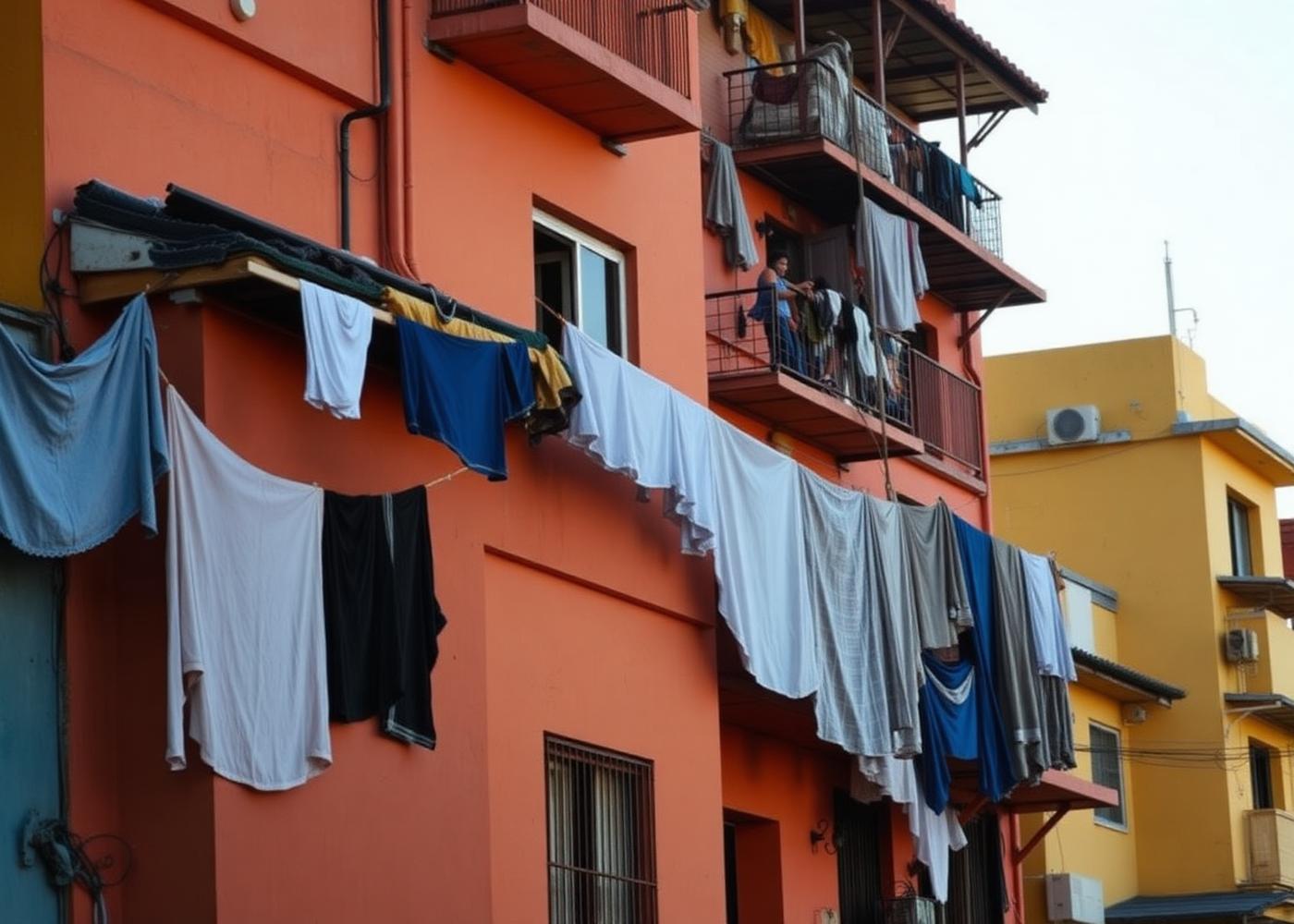


Cantagalo and Pavão-Pavãozinho Today
Few communities in Rio are as tightly woven into the Zona Sul's daily life. The combined population is estimated at around 20,000 people. Public schools, several Clínicas da Família, sports facilities and social centres serve everyday needs. The Elevador, paved main paths and an increasingly stable power and water supply make access considerably easier than in many other morros.
Tourism With a Light Touch
Tourism in Cantagalo and Pavão-Pavãozinho is modest in scale — and that is precisely its quality. Anyone who rides up here does not encounter tour groups with selfie sticks, but a neighbourhood going about its day: children on their way to school, tradespeople on the move, older neighbours at their doors. Small guides, cafés and street-art walks work closely with local initiatives and share their earnings with the community.
Community Projects and Urban Development
Numerous projects — from music and dance schools to environmental initiatives to digital-skills programmes — have grown in recent years. They are often the driving force behind further urbanisation: lighting, staircases, handrails and new public squares often emerge through close coordination between the community, NGOs and city administration.
Sights
Cantagalo and Pavão-Pavãozinho are no classic museum district — their appeal lies in the interplay of views, street art and everyday life. These spots are especially worthwhile:
The Elevador Mirante do Cantagalo
The Elevador Mirante do Cantagalo is arguably the most visible public lift of any Brazilian favela. Completed in 2010, it connects the General Osório metro station at the foot of the hill directly to a panoramic platform in Cantagalo. Two glass cabins travel through a sculpturally designed tower, its exterior covered on every side with large-scale murals.
History and Significance
The lift was built as part of an urbanisation programme run by the state of Rio de Janeiro and was conceived as a symbol of integrating the Zona Sul's morros into the public transport network. For residents, it initially meant, above all, an easing of daily life: older people, families with strollers and commuters no longer had to tackle the steep climb on foot.
Architecture
The tower is striking and deliberately not neutral in design — it claims its place in the cityscape. From the street it looks like a sculpture; from the top, the panoramic platform opens onto Ipanema, Arpoador and the Atlantic. Façades and interiors have been fitted with artworks that shape the character of the place.
Use and Accessibility
The Elevador is publicly accessible and free of charge. The cabins are wheelchair-accessible, and the tower also has stairs. Operating hours and occasional maintenance closures are posted on site — build in some buffer time if you need to be at the top at a particular hour.
Significance for Visitors
For travellers, the Elevador is the most comfortable and respectful way to get to know the community: you don't enter through a back door, but through a visible public building. Once at the top, it's still advisable to explore the further alleys only with a local guide or in coordination with community-run offerings.
Art and Culture
Street Art
Cantagalo is one of Rio's most open-air museums for street art. The Elevador tower, staircases, retaining walls and many façades carry works spanning several decades. Particularly striking are large-scale portraits of residents that let the community speak for itself — not the clichés told about it.
Music and Dance
Samba, pagode and funk carioca are part of daily life. Spontaneous jam sessions spring up almost daily in small bars and on the terraces. Traditional Carnival blocos set off from the community and parade down to the beach.
Community Projects and Artists
Several music schools, dance ensembles and art collectives work with children and young people. They are the real engine of the cultural scene — and the reason why Cantagalo and Pavão-Pavãozinho have for years produced an unusually high number of musicians, dancers and visual artists. Readers who want to dig deeper will find further context in our planned feature on the culture of the favelas.
Events
Concerts, street-art walks, film screenings and community festivals take place irregularly and are mostly advertised locally. It's worth asking at the cafés by the mirante or directly with local guides.
Safety
Cantagalo and Pavão-Pavãozinho are considered comparatively easy to visit. The Elevador, the proximity to the metro and the close ties with the Zona Sul have, in recent years, made it largely straightforward for travellers to visit the community. As everywhere in Rio, however, the safety situation can change at short notice.
Recommended Behaviour
- Move attentively but not fearfully. It's better to carry valuables (jewellery, expensive watches, large cameras) discreetly.
- For a first visit, we recommend a guided tour with a guide from the community — both for safety and out of respect.
- Stick to the established areas around the mirante, the Elevador, the viewing terraces and the cafés and bars open to visitors.
- On the morning of your visit, check the current situation with your accommodation or a local guide.
Photography
Landscape shots from the viewpoints are generally unproblematic. Please only photograph people, children and private houses with explicit consent. Some areas of the community are off-limits for photography — if a guide or resident asks you to put the camera away, respect that without discussion.
Respect Towards Residents
Visiting the morros means entering a lived-in place, not a backdrop. A friendly greeting, politeness and a little Portuguese ("bom dia", "obrigado/a", "com licença") do more for your safety than any precaution.
Note: the safety situation can change at any time. Please check the current situation immediately before your visit — with your accommodation, your guide or local news sources.
How to Visit Cantagalo and Pavão-Pavãozinho?
Depending on how much time you have and how deep you want to go, several routes are worth considering:
Guided Tours
For a first visit, we recommend a tour with a guide from Cantagalo or Pavão-Pavãozinho — not because you couldn't find the way yourself, but because it's the only way you truly understand what you're seeing.
- Orientation: a guide knows the paths, the story behind every mural and the people behind every door.
- History and context: without explanation, first-time visitors easily miss the crucial details.
- Local perspectives: the community tells its own story — not filtered through outside agencies.
- Fair value creation: a significant share of tour proceeds stays with local guides, cafés and art projects.
Restaurants and Cafés
Cantagalo and Pavão-Pavãozinho have a small but varied food scene. A few pointers:
- Mirante do Arvrão: the best-known rooftop address, with Brazilian-international cuisine and one of Rio's finest views. Reservations recommended on weekends.
- Community botequins: small bars serving beer, snacks and often live music on weekends — prices well below Ipanema's level.
- Salgaderias and bakeries: for a quick snack (coxinha, pastel, pão de queijo, tapioca).
- Cafés by the mirante: small cafés with coffee, cake and a view of Ipanema — ideal for a break between viewpoints.
- Street food: grilled skewered meat (espetinho), freshly squeezed juices, tropical fruit.
The Best Viewpoints
The real star of the two morros is their location. From up here, you see Rio not as a backdrop, but as a map you're standing inside:
- Copacabana: the curving bay, the Copacabana Palace, the fort — especially striking at sunrise.
- Ipanema: the long, straight beach with its postos and the surfers at Arpoador.
- Arpoador: the rock between Copacabana and Ipanema, Rio's classic sunset spot — visible in its full shape from above.
- Lagoa Rodrigo de Freitas: the mirror-like lagoon, surrounded by mountains, with Corcovado in the background.
- Morro Dois Irmãos: the striking twin peak to the west — behind it lies Vidigal.
- The Atlantic: on clear days the sea stretches to the horizon, with cargo ships, sailboats and offshore islands.
Sustainable Tourism
Precisely because of their proximity to the touristic centres, Cantagalo and Pavão-Pavãozinho are sensitive to unwanted developments. Travelling responsibly helps ensure the community can keep deciding for itself how it opens up.
- Book tours with operators who work closely with local guides.
- Spend directly in the community — at the café by the mirante, the bar on the staircase, the small shop around the corner.
- Avoid sensationalist photography and pictures of people without their explicit consent.
- Respect privacy: doors, windows and interiors are private, even if they look "picturesque".
- Follow the recommendations of your guide and the community.
Practical Information
- Best Time to Visit
- Morning for the clearest visibility, late afternoon/sunset for the most dramatic mood. Friday and Saturday evenings are livelier, but also busier.
- Duration
- For the Elevador, the mirante and a short walk: 1–2 hours. With a guided tour, coffee and a bar: 3–4 hours.
- What to Wear
- Comfortable, sturdy shoes. Sun hat, sunscreen, a water bottle. Better to leave flashy brands or expensive jewellery at home.
- Payment
- Many small shops accept only cash (Real, BRL) or Pix. Credit cards are accepted at established bars and restaurants.
- Language
- Portuguese. English here and there, German rarely. Polite phrases are much appreciated.
- Internet
- Mobile networks are generally stable. Wi-Fi in cafés and some bars. A Brazilian SIM/eSIM makes maps, translation and mototáxi apps easier.
- Weather
- Warm year-round, hot and with brief, heavy showers in summer (Dec–Mar). Stairs and paths become slippery when wet.
- Opening Hours
- The Elevador runs during the day; cafés and bars are usually open Wed–Sun. Operations can change at short notice — ask locally.
All details are provided without guarantee — opening hours, prices and local recommendations can change. Please check the current situation again before your visit.
Interesting Facts
- Two favelas, one morro: Cantagalo and Pavão-Pavãozinho are so closely merged that studies, maps and community statistics usually treat them as one.
- Direct metro connection: hardly any other favela in Rio has such a short path from the living room to the subway.
- Panoramic lift: the Elevador Mirante do Cantagalo is one of the best-known public lifts of any Brazilian favela.
- Between two icons: from a single spot, Copacabana and Ipanema are simultaneously visible — a view found nowhere else in Rio in quite this form.
- A cultural forge: a striking number of Rio's musicians, dancers and visual artists come from Cantagalo and Pavão-Pavãozinho.
- Early community projects: neighbourhood associations and education initiatives are among the oldest in the Zona Sul.
Frequently Asked Questions
Are Cantagalo and Pavão-Pavãozinho safe for tourists?
Can you visit both favelas alone?
How does the Elevador Mirante do Cantagalo work?
How do you get to Cantagalo and Pavão-Pavãozinho?
Is a guided tour worth it?
How long does a visit take?
Can you eat in Cantagalo?
Is photography allowed?
Which viewpoints should you visit?
Why are both favelas treated as one?
How many people live there?
Is the Elevador really free?
What should you wear?
Can I pay by credit card?
Do I need to speak Portuguese?
How do Cantagalo and Pavão-Pavãozinho differ from each other?
What do you do if it rains?
Is there a cash machine nearby?
Is a visit with children possible?
When is the best time to visit?
How does Cantagalo differ from Vidigal or Santa Marta?
Conclusion
Cantagalo and Pavão-Pavãozinho are among the most accessible favelas in Rio — and at the same time among the most impressive. Nowhere else do two of the world's most famous beaches lie so close together, connected by a hill where a lively community lives, works and creates culture. Whoever rides up here doesn't just see Rio — they understand a piece of it.
A visit is not an adventure, but a city walk with some elevation gain. Anyone who behaves respectfully, greets people warmly and doesn't treat the community as a backdrop will be rewarded with a warmth rarely found on the asphalt below — and a view that doesn't lose its impact even after the tenth ride in the Elevador.
Other Favelas and Topics
- Morro dos Tabajaras — Copacabana's Quiet Neighbour
- Babilônia — Cradle of Partido-Alto Samba
- Chapéu Mangueira — Steep Lanes With a Sugarloaf View
- Vidigal — the Balcony Over the Atlantic
- Rocinha — the Living Metropolis on the Hillside
- Santa Marta — Colours, Samba and Michael Jackson
- Complexo do Alemão (coming soon)
- History of the Favelas (coming soon)
- Safety in Rio de Janeiro (coming soon)
- Culture of the Favelas (coming soon)
- Favela Tours in Rio (coming soon)